
Who are you actually selling to? the b2b buying group explained
Here is a situation every B2B salesperson has lived through at least once. You have spent months, sometimes years, building a relationship with your contact at a prospect. Regular calls, site visits, the occasional lunch. They like you. They like your product. And then, when it finally comes to a decision, you hear: "Sorry, not this time. Try again at the next tender." Or worse, they leave the company, and their replacement has never heard of you.
You were not unlucky. You were selling to the wrong person, or at least not to enough of the right ones.
This is not 1998
There was a time when B2B deals were done between two people. A buyer and a seller, a handshake, done. That world is gone. Today, deals are done between organisations, and organisations are made of many people. Even the most senior decision maker does not sign off on a significant purchase without building internal consensus first. The finance director will not approve your solution if the operations manager has concerns. The operations manager will not back you if the shift supervisor thinks your product will slow down the line. And the shift supervisor will not say yes if your competitor's product is already embedded in the workflow and no one wants the hassle of change.
Research by Gartner found that the average B2B buying group now involves between six and ten stakeholders. In manufacturing, where operational risk is high and change is expensive, it can be even more.
Two sides of the same mistake
When salespeople get power mapping wrong, it usually comes down to two problems: targeting the wrong roles, and involving too few people at each stage of the process.
But look closely and these are really the same mistake wearing different clothes.
The most common pattern goes like this. A salesperson identifies one contact, usually whoever picked up the phone or replied to the first email, and invests everything in that relationship. They become comfortable. The contact becomes a gatekeeper, filtering communication, managing the relationship on their terms, and slowly becoming the single point of failure for the entire opportunity. Years pass. Meetings happen. Proposals are submitted. And the deal never closes, because the person you have been talking to was never in a position to say yes, and you were too polite, or too nervous, to go around them.
The irony is brutal. The very contact who kept you at arm's length for years, who never gave you the deal, who you were so careful not to upset, was the reason you never won the business in the first place.
Selling to an influence hub
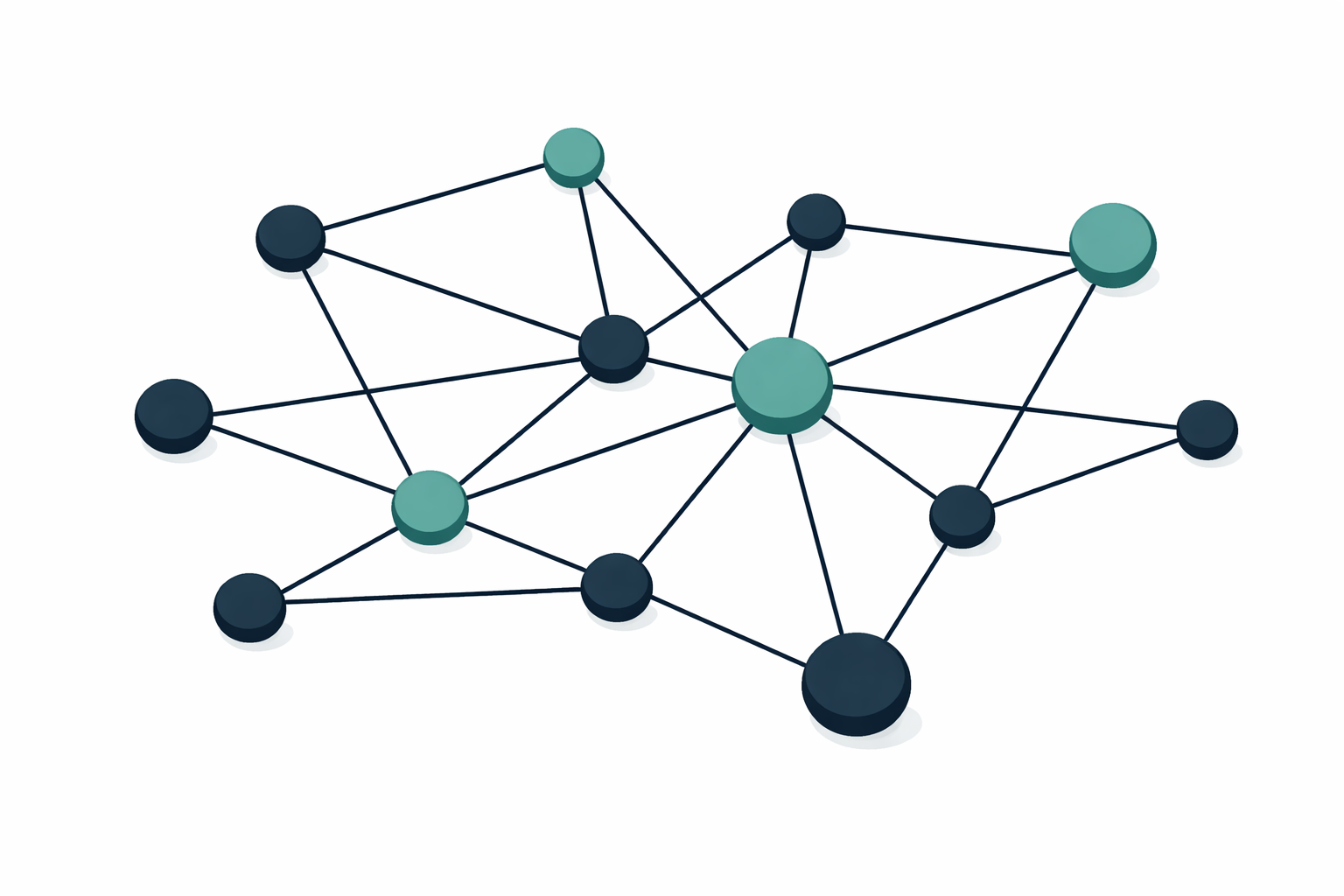
Modern B2B sales requires a different mental model. You are not selling to a person. You are selling to an influence hub, a network of roles that each have different concerns, different levels of authority, and different definitions of what a good outcome looks like.
That hub typically includes someone who will champion your solution internally, someone who controls the budget, someone who will be affected operationally and needs to be convinced it works on the ground, and almost always someone whose job is to protect the status quo and who will find reasons to say no. The gatekeeper is not the enemy. They are just doing their job. The mistake is pretending they do not exist or trying to go around them.
The real play is to understand what matters to each person in the hub, and arm your internal champion with exactly what they need to win the argument on your behalf. The champion needs different ammunition for the finance director than they do for the operations team. Your job is to give them all of it.
Mapping before selling
None of this happens by accident. It requires deliberate mapping of the buying group before you invest serious time in an opportunity. Who are the roles involved? Who holds the budget? Who influences the decision without having formal authority? Who is the likely blocker and what do they care about? Who is your champion and how strong is their internal credibility?
These are not questions you answer once at the start of a deal and forget. The buying group shifts as deals progress. People leave. New stakeholders get involved. Your map needs to stay live.
This is exactly what Sprint4™ Step 2 is built around. Power mapping is not a one-off exercise, it is a discipline. We teach sales teams how to build and maintain an accurate picture of every significant opportunity, so they are never again caught out by a contact who leaves, a blocker they never saw coming, or a deal that dies in a room they were never in.
